Tankless vs. Traditional Water Heaters for California Homes
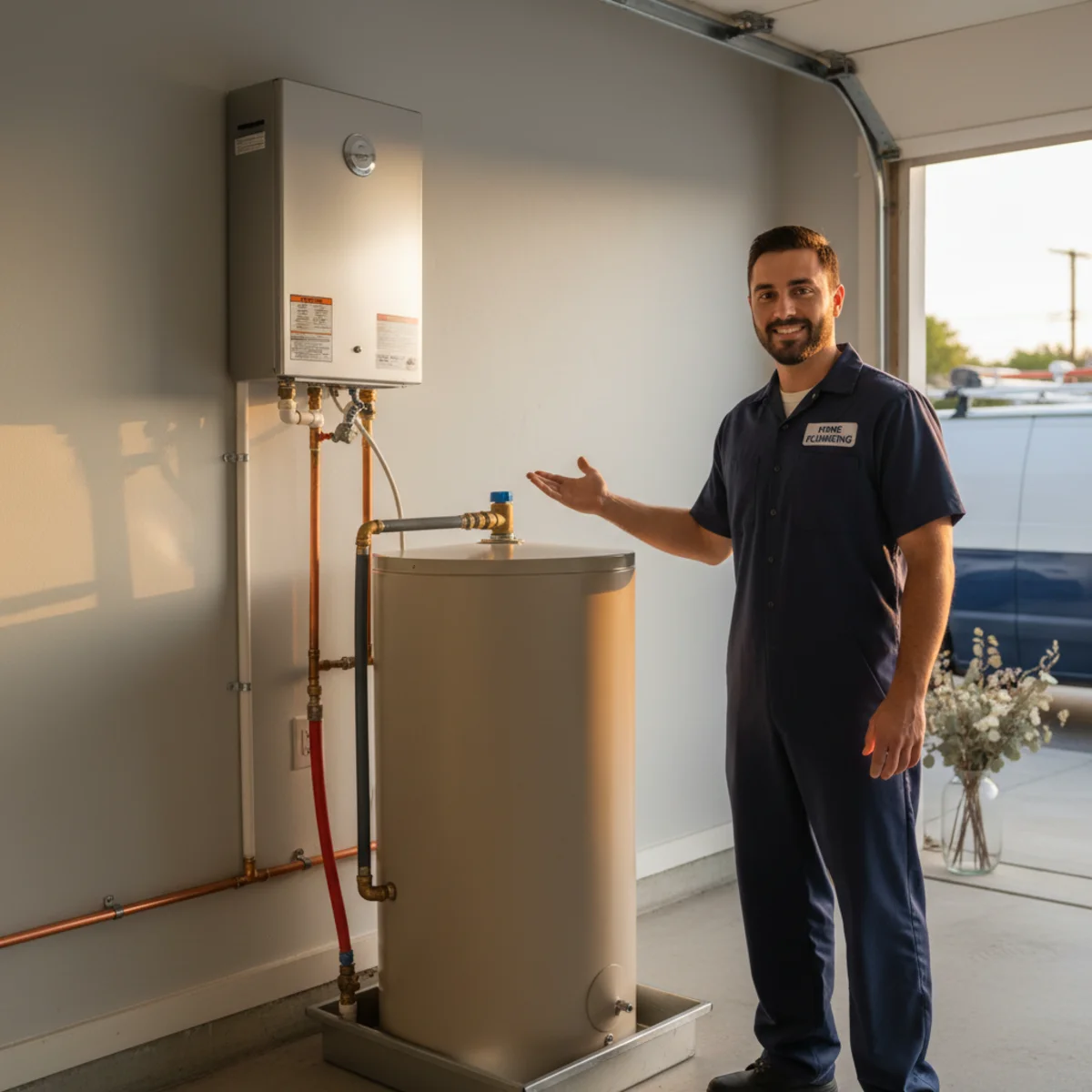
When it's time to replace a water heater in Banning, CA, homeowners increasingly face a meaningful choice: stick with a conventional storage tank heater or switch to a tankless (on-demand) unit. Both types have real advantages, and neither is right for every household. California's Title 24 energy standards, the state's high utility rates, and the hard water conditions throughout the San Gorgonio Pass all factor into the decision. This guide gives you the full comparison so you can make an informed choice.
How Each Type Works
Traditional Tank Water Heaters
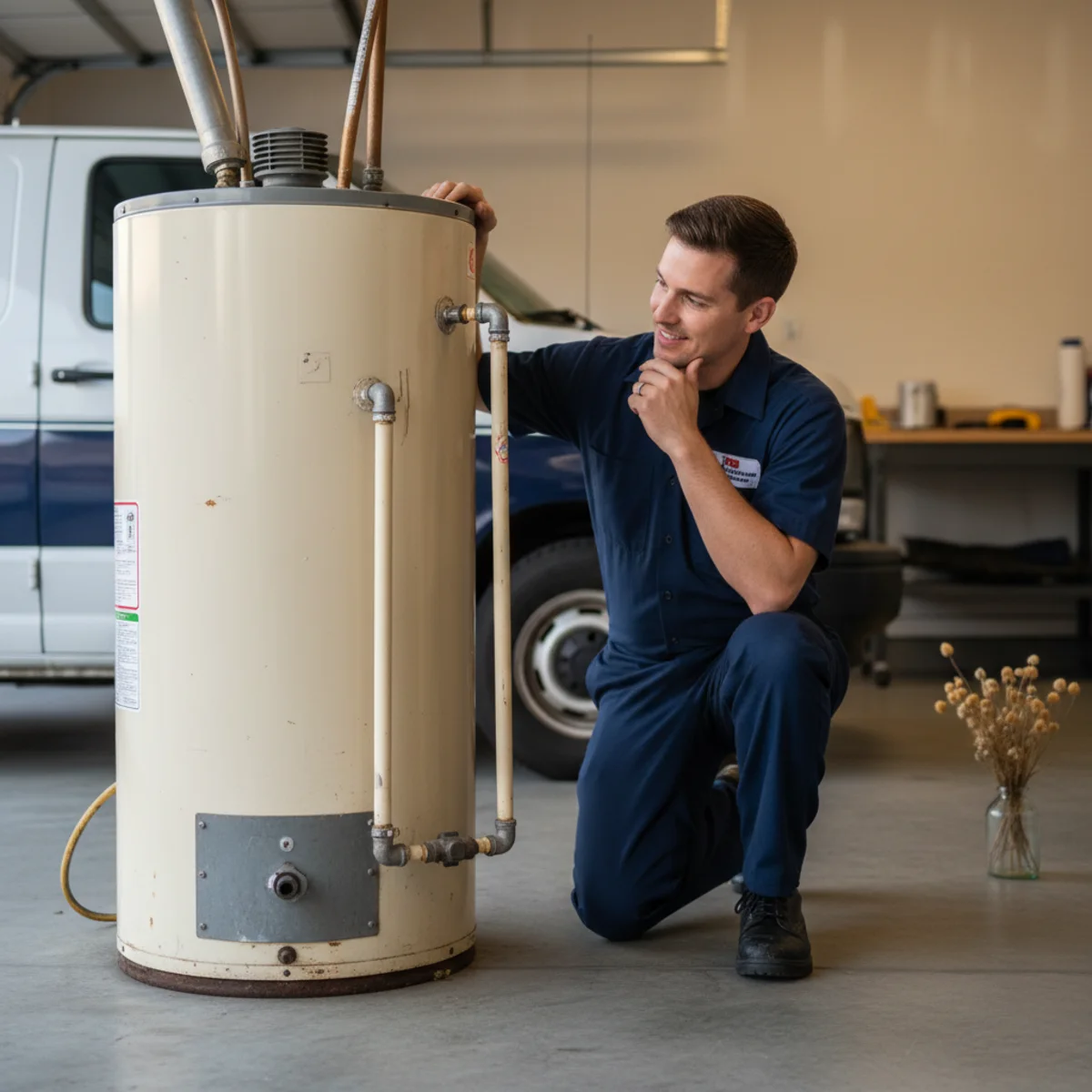
A conventional storage water heater maintains a tank of water — typically 30 to 80 gallons — at a set temperature around the clock. When you draw hot water, the tank delivers it while simultaneously heating the incoming cold water to refill the tank. The main energy cost is standby heat loss — the energy required to keep the stored water hot even when you are not using it. Modern tank heaters have improved insulation, but standby loss remains an inherent characteristic of the technology.
Tankless Water Heaters
A tankless heater has no storage tank. When you open a hot water tap, cold water flows through a heat exchanger that heats it instantly — either with a gas burner or electric heating elements — and delivers it continuously as long as the tap is open. There is no standby heat loss because no water is being kept hot when you are not using it. The trade-off is that tankless units have a maximum flow rate — the amount of hot water they can produce per minute — which can be exceeded if too many fixtures demand hot water simultaneously.
Energy Efficiency Comparison
In California, where natural gas and electricity rates are among the highest in the nation, energy efficiency has a direct impact on operating costs. Tankless heaters are generally 24 to 34% more energy efficient than storage tank heaters for households that use a moderate amount of hot water. For homes with very high hot water demand — large families, homes with soaking tubs and multiple showers running simultaneously — the efficiency advantage narrows somewhat. Over a 15-year lifespan, the cumulative energy savings from a tankless unit can be substantial, though the initial installation cost is higher.
Lifespan and Long-Term Cost
A conventional tank water heater has a typical lifespan of 8 to 12 years in Banning's hard water environment. A tankless unit, with proper annual maintenance, can last 15 to 25 years. The higher upfront cost of a tankless unit (installation typically costs more than a tank replacement) is offset over time by the longer lifespan and lower operating costs. For a homeowner planning to stay in their Banning home for 10 or more years, a tankless unit often has a lower total cost of ownership.
Ready to compare specific options for your home? Call (207) 419-2600 — our Banning plumbers can give you an accurate estimate for both tank and tankless installation.
(207) 419-2600Hot Water Supply and Simultaneous Demand
One practical consideration is simultaneous hot water demand. A tankless heater is sized by flow rate — typically measured in gallons per minute (GPM). A standard whole-home gas tankless unit produces 6 to 10 GPM. If your household regularly runs two showers simultaneously while the dishwasher is running, you may need a high-capacity unit or two smaller units to handle the demand. A tank heater, by contrast, stores a large volume of hot water and can meet high simultaneous demand well — until the tank is depleted, at which point recovery time is needed.
Hard Water and Maintenance in the Banning Area
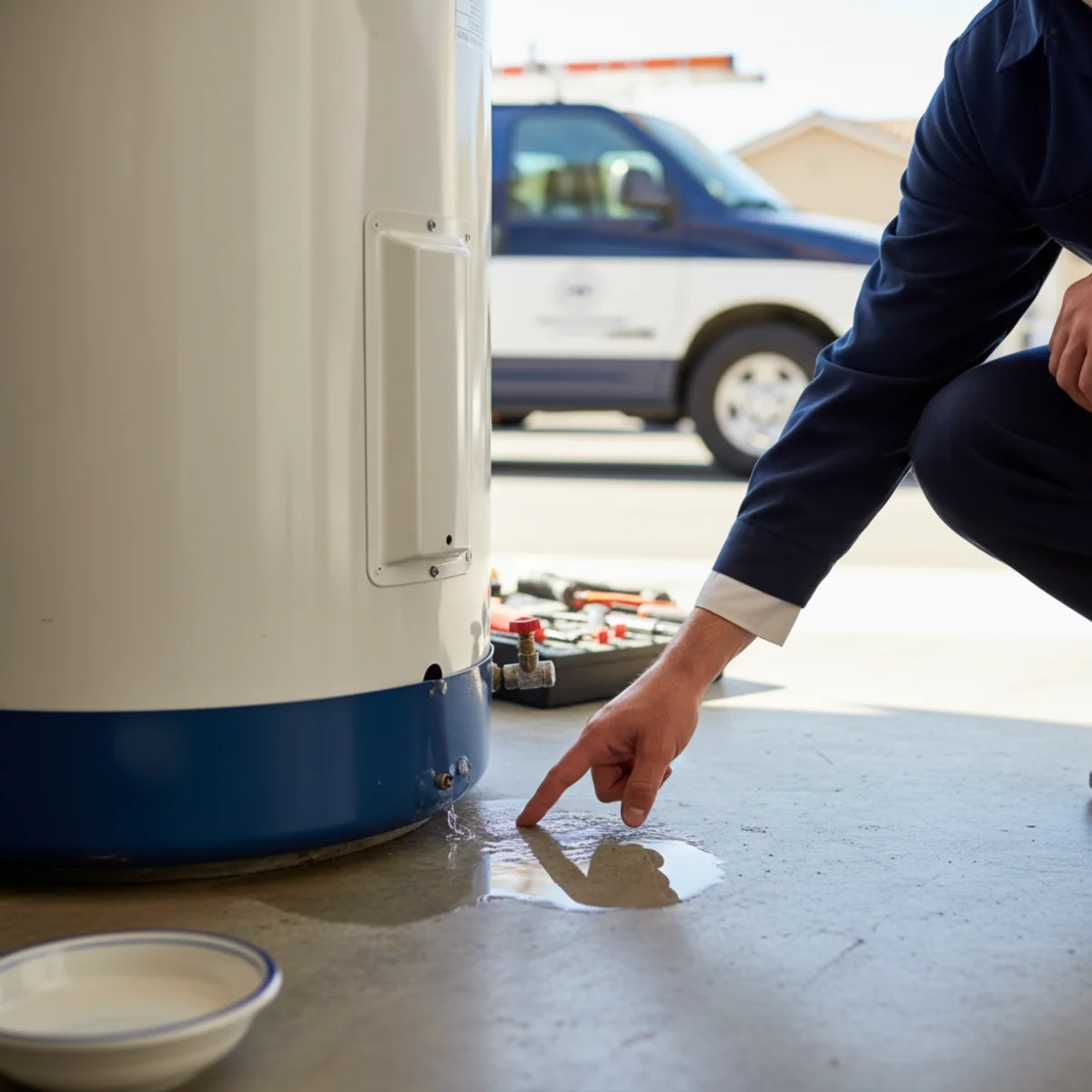
Hard water is one of the most important factors to consider for water heater performance in Banning. Both tank and tankless units are affected, but in different ways. In a tank heater, scale accumulates on the tank floor and reduces efficiency over time. In a tankless heater, scale builds up on the heat exchanger, which is a smaller, more precise component — and if scale accumulation is left unaddressed, it can damage the heat exchanger and void the warranty. Tankless manufacturers require annual descaling maintenance in hard water areas. A whole-home water softener dramatically extends the life of any water heater and reduces maintenance frequency for both types.
Installation Considerations
Switching from a tank to a tankless unit often involves more than just swapping appliances. Gas tankless heaters require a larger gas supply line — typically 3/4-inch rather than the 1/2-inch line used by most tank heaters — and a different venting configuration. Electric tankless heaters often require a panel upgrade to support the high amperage draw. A proper installation assessment by a licensed plumber is essential before committing to a tankless system. Our team serving Banning and Riverside County provides full installation evaluations including gas line sizing, venting requirements, and electrical assessment.
Which Is Right for Your Banning Home?
A tankless water heater is likely the better choice if: you plan to stay in the home long-term, energy savings and a longer appliance lifespan are priorities, your household's simultaneous hot water demand is manageable within the unit's flow rate, and you are willing to commit to annual descaling maintenance. A traditional tank heater remains a solid choice if: upfront cost is the primary concern, your home's gas line or electrical panel cannot easily support a tankless upgrade, your household has very high simultaneous hot water demand, or you want the simplest possible replacement with minimal installation complexity.
Call (207) 419-2600 for water heater installation, tankless installation, and water heater replacement in Banning, CA — we'll help you find the right fit.
(207) 419-2600
Reviewed by our master plumber
Mike Reyes · Lead Master Plumber & Owner
Master plumber with 20+ years of hands-on experience serving Banning and the San Gorgonio Pass.
More about our team