How to Know If Your Water Heater Needs Repair or Replacement
Few home appliances are as easy to overlook as the water heater — until it stops working. In Banning, CA, where mineral-rich hard water accelerates sediment buildup inside tanks, water heaters often show signs of strain years before they actually fail. Knowing whether a symptom calls for a simple repair or a full replacement can save you from paying for a fix on a unit that is already at the end of its life — or from replacing a unit that could have provided several more years of reliable service.
How Long Should a Water Heater Last?
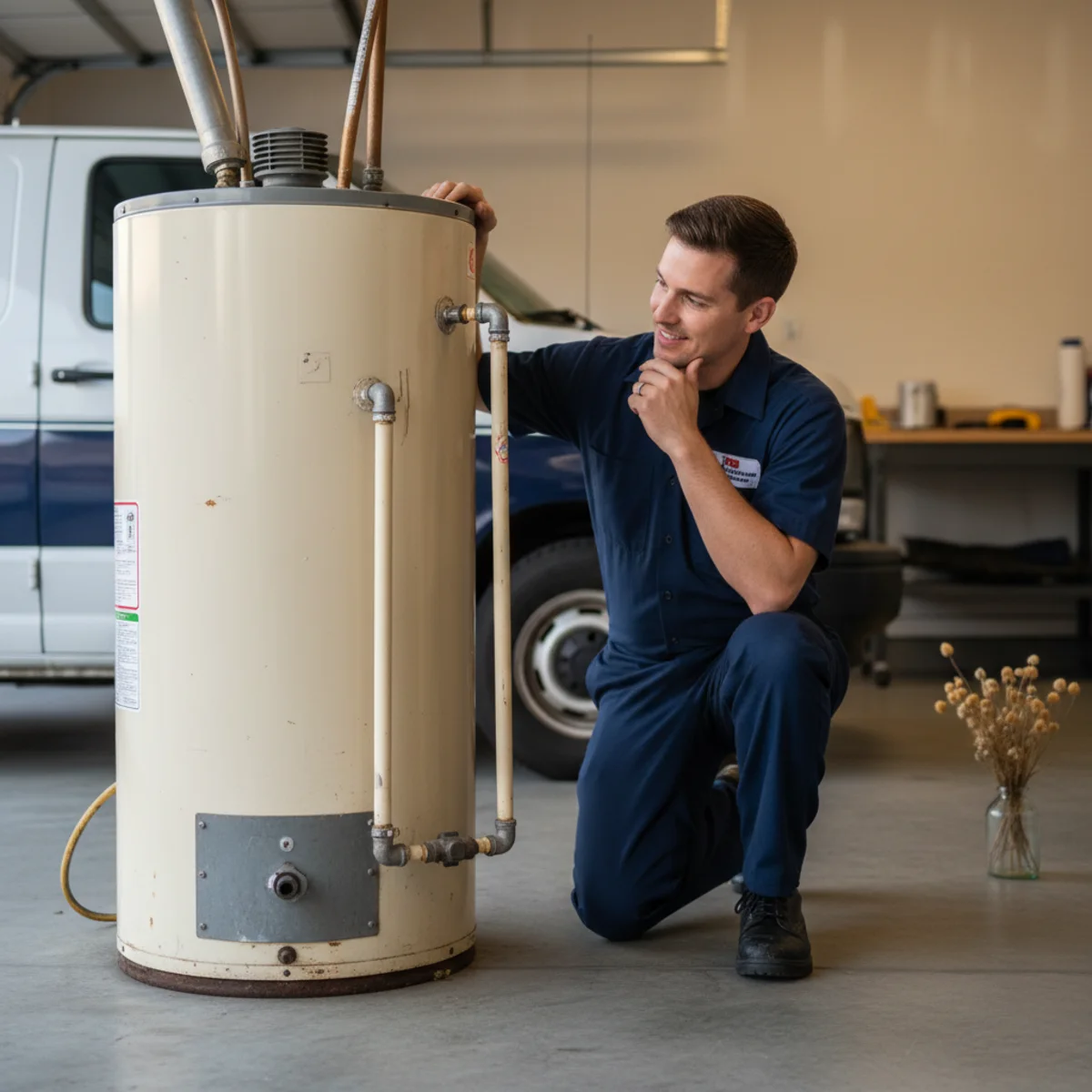
The lifespan of a standard tank water heater is typically 8 to 12 years for gas units and 10 to 15 years for electric units. In areas with hard water like Banning, where calcium and magnesium deposit as scale on the tank floor and heating elements, you can expect the shorter end of that range without regular flushing and maintenance. Tankless water heaters last considerably longer — 15 to 25 years — but have their own maintenance requirements. Check the serial number on your unit's label — manufacturers encode the production date, and most have an online lookup tool.
Signs Your Water Heater Needs Repair
Some water heater problems are straightforward repairs, especially when the unit is less than seven or eight years old and has been reasonably maintained.
Pilot Light Won't Stay Lit
On a gas water heater, a pilot light that keeps going out usually indicates a faulty thermocouple — the safety sensor that detects whether the pilot flame is present and keeps the gas valve open. A thermocouple replacement is a relatively inexpensive repair.
Temperature Is Inconsistent or Too Low
If your water never quite gets hot enough or fluctuates between hot and lukewarm, the thermostat may need adjustment or replacement. On electric heaters, a burned-out heating element can produce the same symptom. Both are repair-level issues on units that are otherwise in good condition.
Pressure Relief Valve Is Leaking
The temperature and pressure (T&P) relief valve is a critical safety device. If it leaks but the unit is otherwise functional and not too old, replacing the valve alone is typically the right call. However, if the valve is discharging because the water temperature or pressure inside the tank is genuinely too high, that underlying issue must be diagnosed and corrected at the same time.
Not sure what's wrong with your water heater? Call (207) 419-2600 — our Banning plumbers will diagnose and give you honest repair vs. replacement advice.
(207) 419-2600Signs Your Water Heater Needs Replacement
Other symptoms indicate that the unit is reaching the end of its useful life and that repair costs will not deliver a reasonable return on investment.
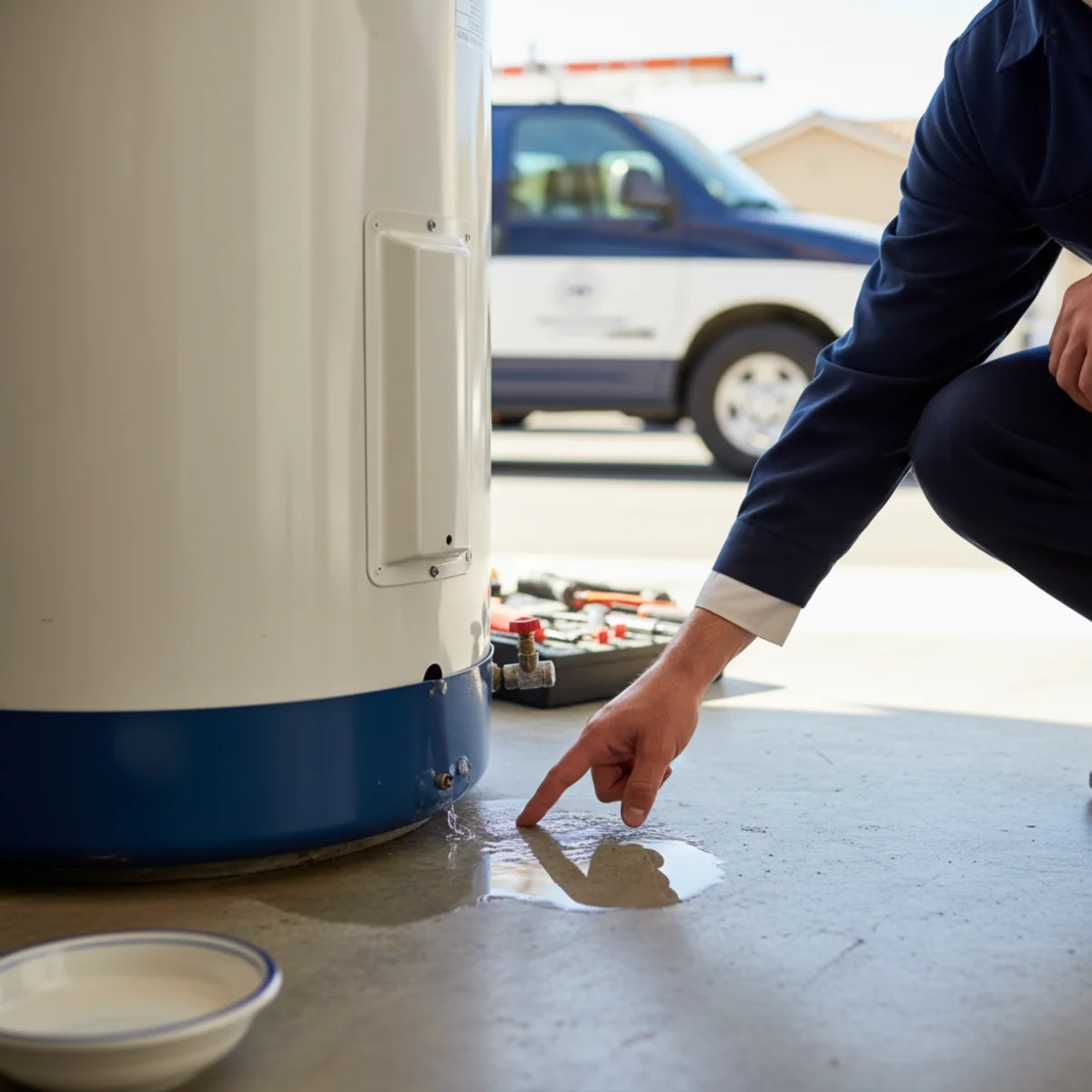
Tank Is Leaking
A tank that is leaking from the body — not from a fitting or valve — has corroded through the interior lining and cannot be repaired. This is always a replacement situation. Turn off the water supply and the energy source immediately and call for replacement service.
Rusty Water or Metallic Smell
Rust-colored hot water or a metallic smell from the hot water taps usually means the interior of the tank has corroded to the point where it is contaminating the water. This is a replacement-level problem. Note: if rusty water also comes from cold taps, the issue is in your pipes rather than the water heater.
Loud Rumbling or Banging Sounds
Hard water sediment that accumulates on the bottom of the tank eventually hardens into a thick layer. As the burner heats water trapped under the sediment, you hear loud rumbling, popping, or banging noises. At this stage, efficiency has dropped significantly, the tank bottom is under stress, and the unit is approaching failure. Flushing may help if caught early, but units in this condition are usually near the end of their life.
Unit Is Over 10 Years Old and Needs a Major Repair
A good rule of thumb: if the cost of the repair exceeds 50% of the cost of a new water heater installation, and the unit is already more than 8 to 10 years old, replacement is the more economical long-term decision. You will also benefit from improved energy efficiency in a newer unit.
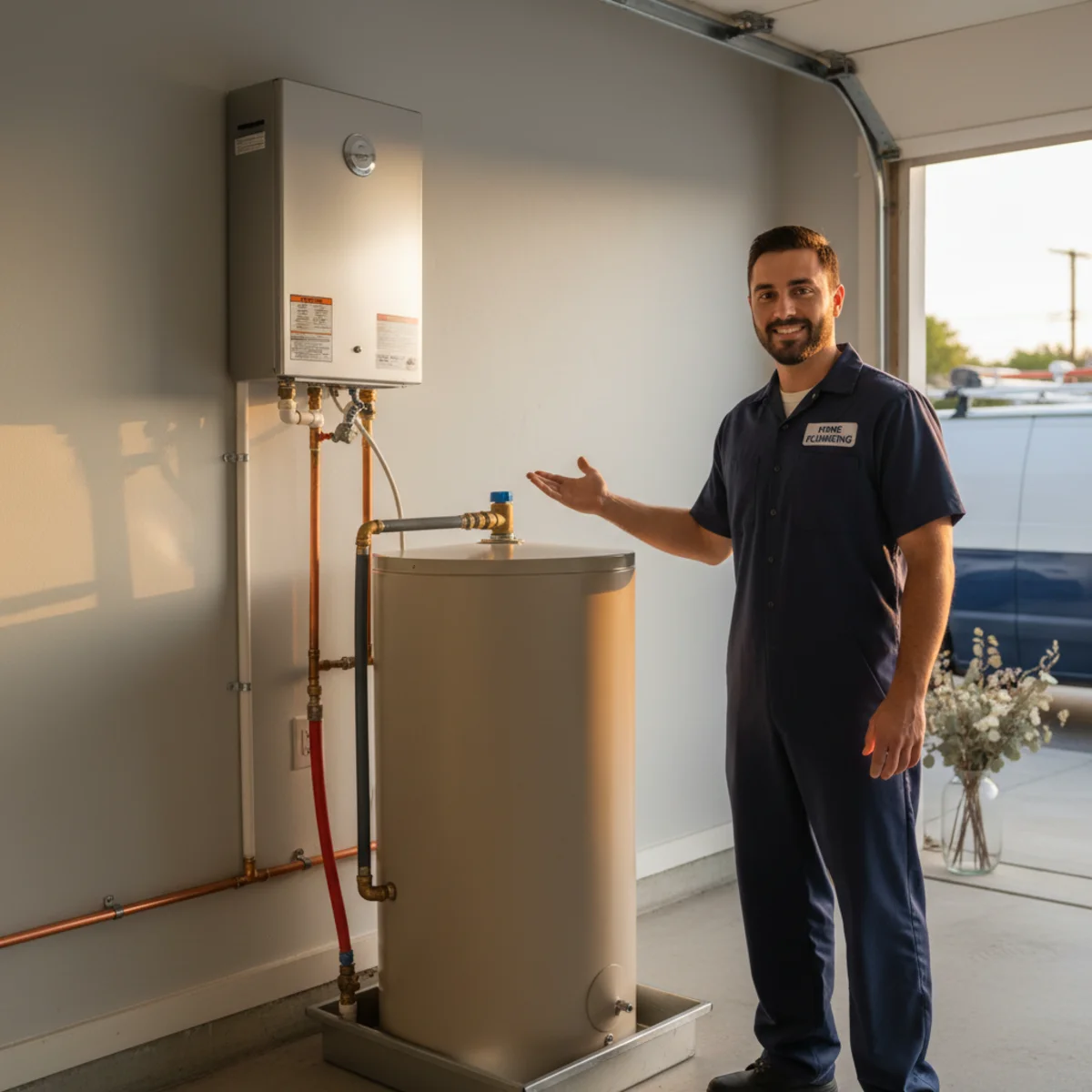
Should You Consider a Tankless Water Heater?
If you are replacing a tank water heater, it is worth considering a tankless (on-demand) unit. Tankless heaters heat water only when you need it, eliminating the standby heat loss of keeping a tank at temperature around the clock. For many households in Banning this translates to meaningful energy savings on utility bills. Tankless units do require descaling maintenance in hard water areas, but they last significantly longer than tank units. See our comparison guide on tankless vs. traditional water heaters for California homes for a full breakdown.
The Impact of Banning's Hard Water on Water Heaters
Water hardness in the Banning and Riverside County area is consistently elevated, which means scale deposits form faster inside tanks and on electric heating elements than in areas with softer water. Flushing your water heater tank once a year to remove sediment is one of the best maintenance steps you can take to extend its life. A whole-home water softener can dramatically slow the rate of scale formation. If neither has been done and your unit is showing symptoms, it may be further along in its lifespan than its age alone would suggest.
Call (207) 419-2600 to schedule water heater repair, replacement, or tankless installation in Banning, CA — same-day service available.
(207) 419-2600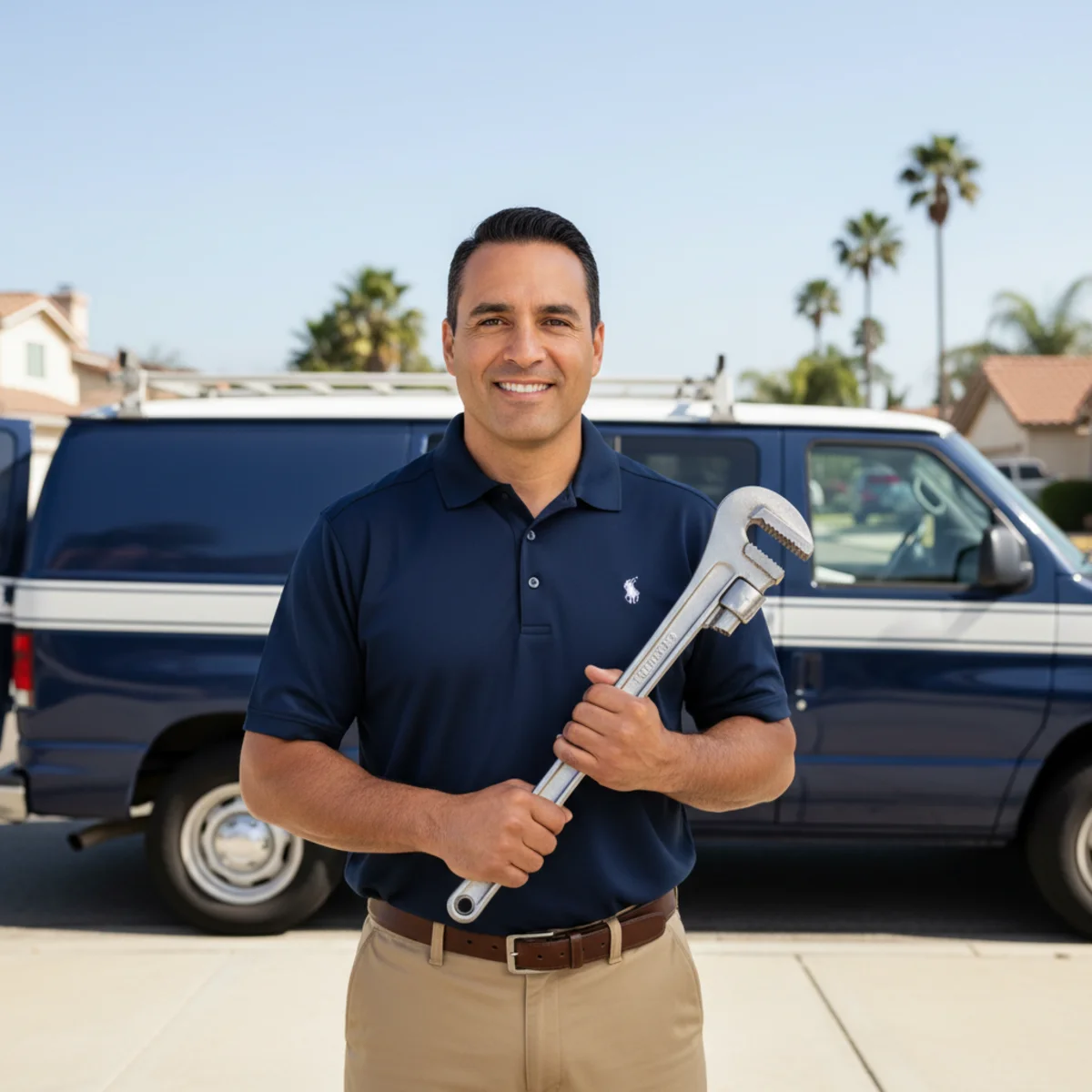
Reviewed by our master plumber
Mike Reyes · Lead Master Plumber & Owner
Master plumber with 20+ years of hands-on experience serving Banning and the San Gorgonio Pass.
More about our team