8 Signs of a Hidden Water Leak in Your Home
Not all water leaks are obvious. A burst pipe spraying water across the kitchen floor is hard to miss — but many leaks develop slowly and silently inside walls, under slabs, or underground, causing damage for months before a homeowner notices anything. In Banning, CA, where older homes often have aging copper or galvanized steel supply lines and where hard water accelerates pipe corrosion, hidden leaks are more common than many residents expect. Knowing the warning signs is the key to catching a leak before it becomes a costly repair.
Sign 1: Your Water Bill Has Unexpectedly Increased
A sudden or gradual increase in your monthly water bill without a change in your water usage habits is one of the most reliable early indicators of a hidden leak. Even a small continuous leak — a pinhole in a supply pipe, for example — can waste hundreds of gallons per month. Compare your current bill to the same month in prior years, accounting for seasonal irrigation differences. If you see an unexplained increase of 20% or more, a leak is a likely cause and a leak detection inspection is warranted.
Sign 2: Your Water Meter Moves When No Water Is in Use
This is a simple test any homeowner can perform. Turn off every water-using fixture and appliance in the house — faucets, dishwasher, washing machine, irrigation controller. Then go to your water meter and note the reading on the dial or the flow indicator. Wait 30 minutes without using any water, then check again. If the meter has moved, water is flowing somewhere in the system — which means you have a leak. The size of the movement gives you a rough idea of the leak rate.
Sign 3: Warm or Wet Spots on the Floor
A warm spot on a tile or concrete floor — particularly in a hallway, bathroom, or area near the kitchen — may indicate a hot water pipe leaking beneath the slab. This is called a slab leak, and it is more common in California homes built in the 1960s through 1980s with copper pipes that have experienced decades of hard water corrosion and concrete abrasion. Cold, wet spots on the floor can indicate a cold water supply line leak under the slab. Slab leaks require specialized detection equipment to locate without unnecessary concrete damage.
Sign 4: Discoloration, Bubbling, or Warping on Walls or Ceilings
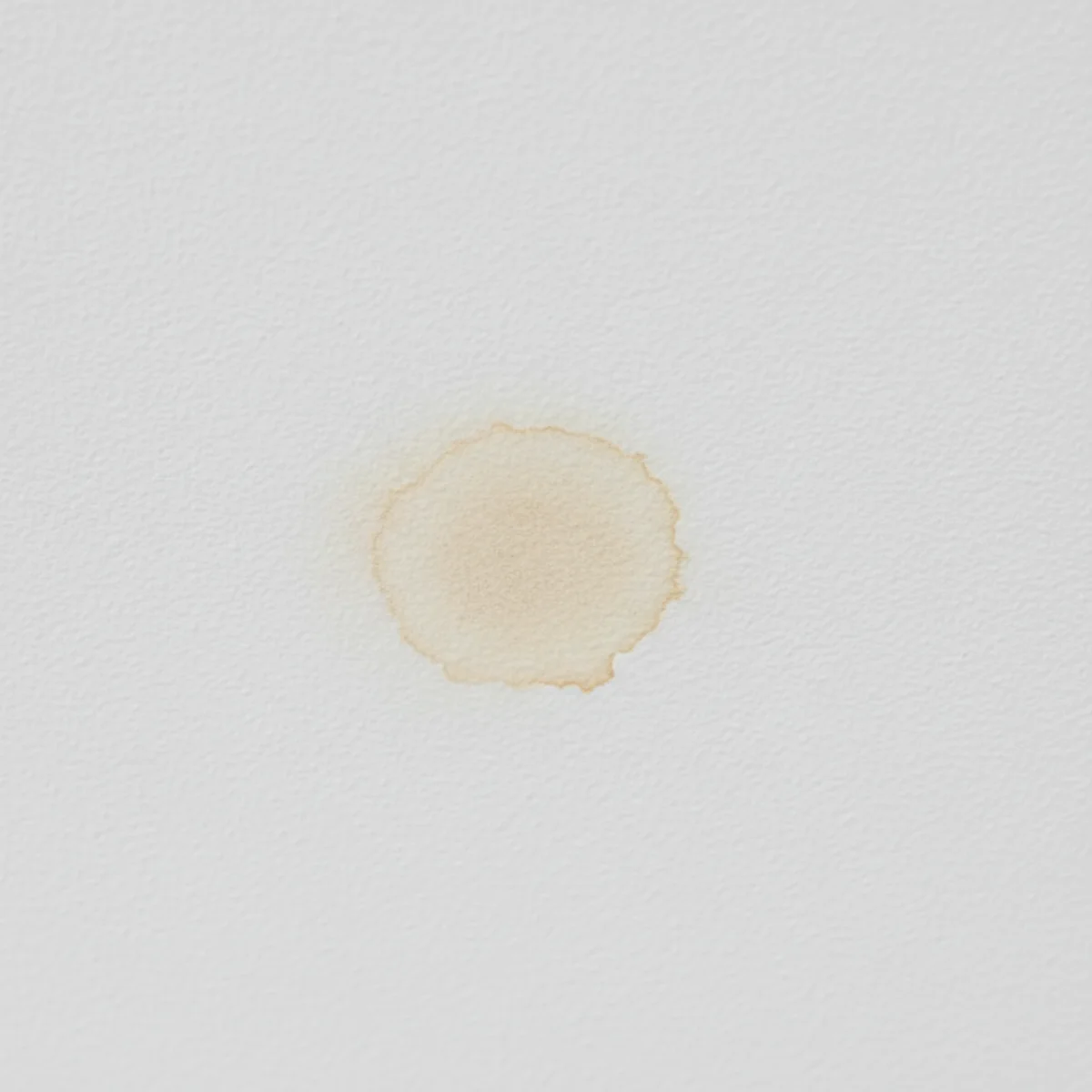
Water stains — typically yellowish or brownish rings or patches — on walls or ceilings indicate that moisture is soaking into the drywall or plaster. Bubbling or peeling paint, bowing drywall, or a soft or spongy feel when you press on a wall surface are signs of chronic moisture exposure from a pipe leaking inside the wall cavity. Ceiling stains are particularly important to investigate promptly because water damage to ceiling drywall can lead to structural weakening and even collapse if the framing becomes saturated.
Noticing any of these signs in your Banning home? Call (207) 419-2600 for professional leak detection — we find leaks without unnecessary damage to your home.
(207) 419-2600Sign 5: Mold or Mildew in Unexpected Places
Mold and mildew require moisture to grow. Finding mold spots on a wall that isn't near a shower or bath, or a persistent musty smell in a room without obvious moisture sources, often points to a hidden leak creating the ideal moist environment for mold growth inside a wall or under flooring. Mold remediation on top of the plumbing repair becomes necessary when a hidden leak goes undetected long enough — which is another reason early detection matters.
Sign 6: Sound of Running Water with No Fixtures On
If you hear the sound of water running, dripping, or hissing from inside a wall or from under a floor when no fixtures are in use, that is a strong indicator of an active leak. The sound may be faint and intermittent depending on the pressure and size of the leak. Pay attention to sounds that occur at night when the house is quiet — that's when subtle leak sounds are easiest to hear.
Sign 7: Wet or Soggy Patches in the Yard
Consistently wet or unusually green patches in the yard — especially over the path of the main supply line from the street to the house, or over the sewer lateral — indicate an underground leak. A supply line leak will create a soggy area; a sewer line leak may cause an area of unusually lush or fast-growing grass above it. Neither should be ignored — both indicate underground pipe damage that will worsen over time.
Sign 8: Low Water Pressure Throughout the House
A significant leak in the main supply line or in a major branch line diverts water before it reaches your fixtures, reducing pressure at the tap. If you have ruled out other common causes of low water pressure — clogged aerators, a partially closed shutoff valve, a failing pressure reducing valve — and pressure has declined gradually over time, a hidden supply line leak is a likely culprit. Our leak detection service in Banning uses electronic listening equipment, pressure testing, and thermal imaging to locate the leak source without unnecessary cutting or excavation.
How Professional Leak Detection Works
Modern leak detection uses multiple non-invasive tools to pinpoint leak locations before any exploratory cutting or digging is done. Electronic acoustic equipment amplifies the sound of water escaping under pressure and can be scanned along walls, floors, and the ground to locate the loudest point — the leak source. Thermal imaging cameras detect temperature differences caused by water contact with building materials. For slab leaks, helium or nitrogen pressure testing combined with acoustic equipment provides precise location data. The goal is to identify the exact leak location so that repair work is targeted and minimal.
Call (207) 419-2600 for leak detection, slab leak detection, and water leak repair in Banning, CA — we find the leak before we open the wall.
(207) 419-2600
Reviewed by our master plumber
Mike Reyes · Lead Master Plumber & Owner
Master plumber with 20+ years of hands-on experience serving Banning and the San Gorgonio Pass.
More about our team