Why Get a Sewer Camera Inspection Before Buying a Home in Banning
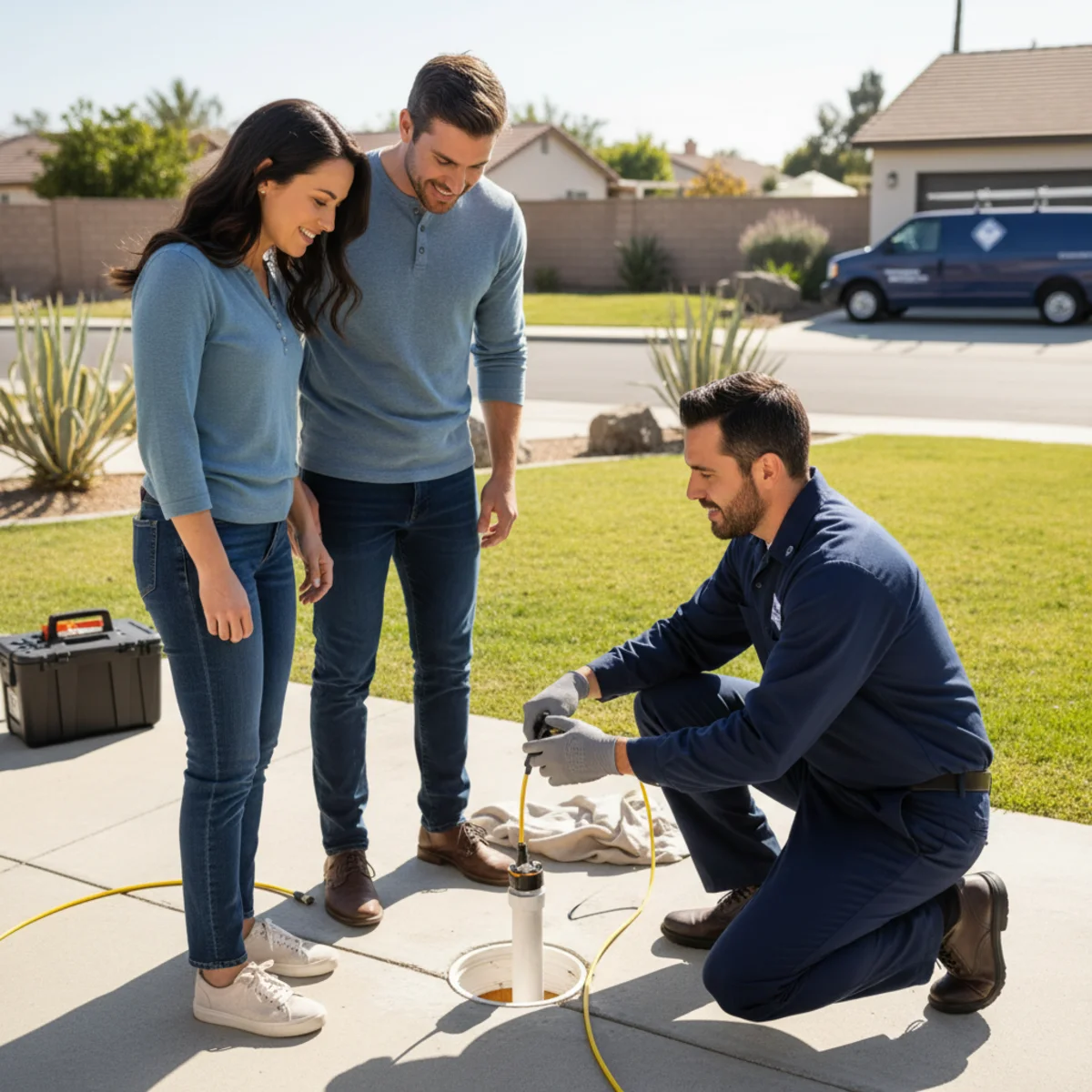
Buying a home in Banning, CA is a significant investment, and most buyers know to schedule a general home inspection before closing. What many buyers don't realize is that a standard home inspection almost never covers the sewer line. The inspector walks through the house, checks the roof, looks at the electrical panel, and tests the HVAC — but the sewer line running from the house to the city main, often 4 to 6 feet underground, is invisible to a visual inspection. A sewer camera inspection (also called a sewer scope) is the only way to see what's happening inside that pipe before you own it.
What a Sewer Camera Inspection Involves
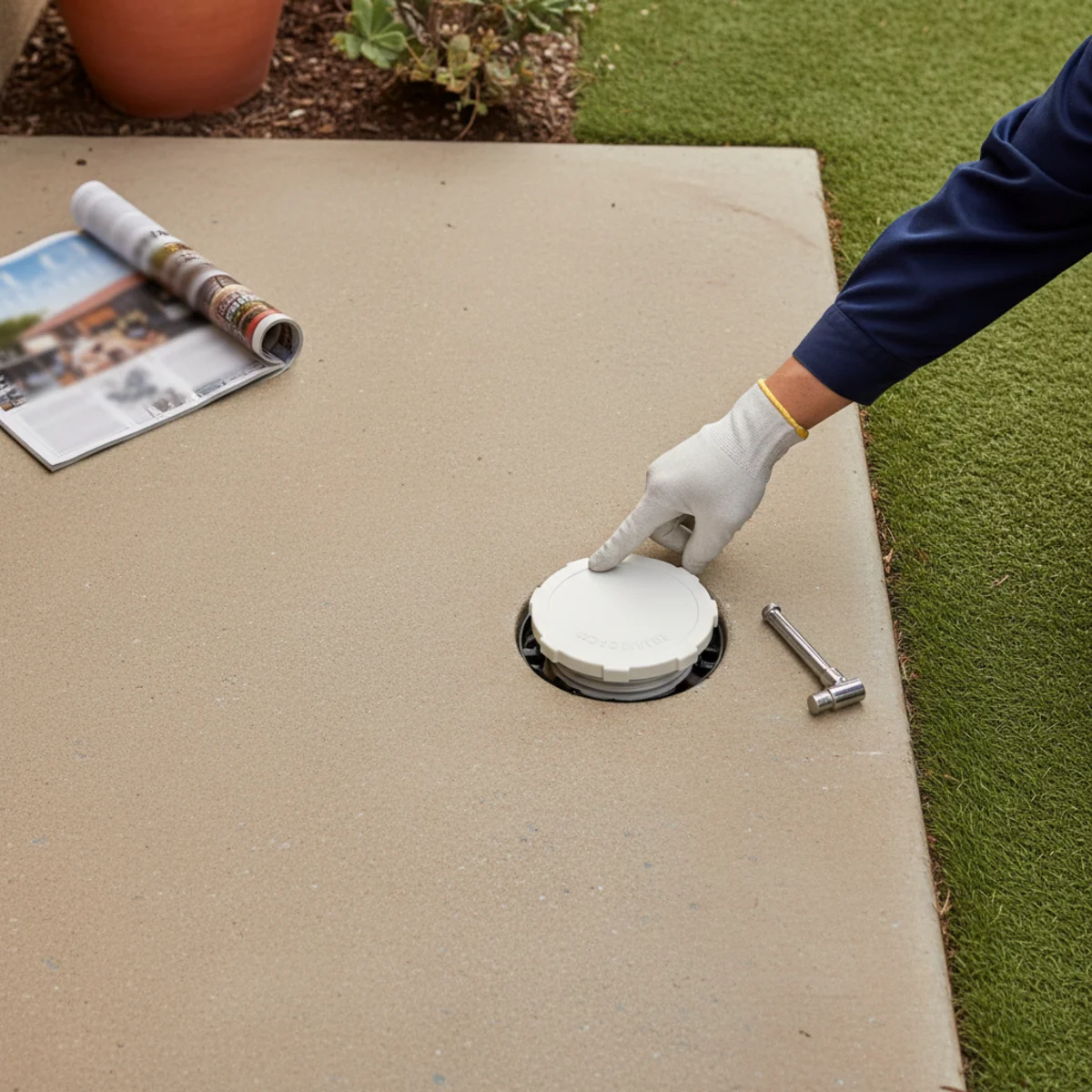
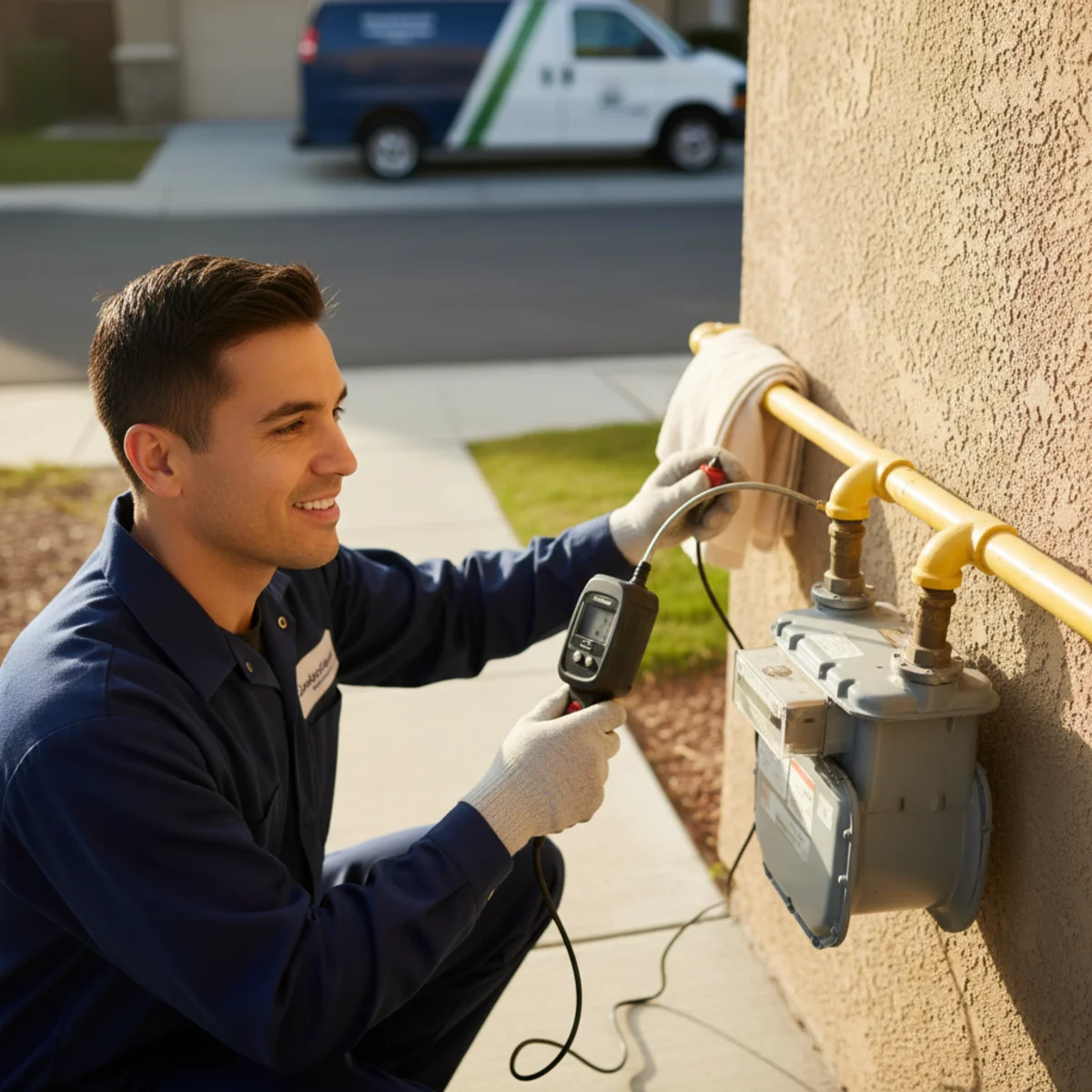
A plumber inserts a flexible, waterproof camera into the sewer cleanout — typically a capped access point at the side of the house or near the foundation — and pushes it through the entire length of the sewer lateral until it reaches the city main. The camera transmits real-time video that the plumber views on a monitor. The full inspection typically takes 45 minutes to an hour and covers every foot of the sewer line from the house to the property line or beyond. Any issues found are recorded on video and noted in an inspection report.
What Problems a Camera Inspection Can Find
Sewer lines can fail or deteriorate in ways that produce no symptoms until the situation becomes serious. A camera inspection can identify:
- Root intrusion: Tree roots enter sewer lines through joint gaps in clay or older cast-iron pipe. They can range from fine hair-like roots to thick masses that block the entire pipe.
- Offset or separated joints: Ground movement — common in the San Gorgonio Pass area where seismic activity and soil expansion occur — can shift pipe sections out of alignment.
- Cracked or collapsed sections: Clay and cast-iron pipes deteriorate over decades. Cracks allow groundwater to infiltrate and can eventually cause the pipe to collapse.
- Bellying: Sections of pipe that have settled and dip below the proper slope, creating a low point where solids collect and can block the line.
- Grease or scale buildup: Heavy accumulation that has significantly reduced the interior diameter of the pipe.
- Pipe material identification: Older Banning homes may have Orangeburg pipe — a compressed tar-paper pipe used from the 1940s through the 1970s that deteriorates into a soft, deformed shape. Finding Orangeburg is a major red flag.
Buying a home in Banning? Call (207) 419-2600 to schedule a sewer camera inspection before you close — protect your investment.
(207) 419-2600Why Banning-Area Sewer Lines Need Extra Scrutiny
Several factors make sewer line inspections particularly important in Banning and the surrounding communities. Many homes in established Banning neighborhoods were built between the 1950s and 1980s, when clay tile and cast-iron pipe were the standard materials. These pipes are now 40 to 75 years old. The San Gorgonio Pass experiences periodic seismic activity and significant temperature variation between seasons, both of which stress underground pipe joints over time. Mature trees — common in established neighborhoods — have had decades to grow root systems toward moisture-bearing pipes. And Banning's hard water contributes to interior scale buildup that reduces pipe capacity.
How to Use the Inspection Results in Your Purchase
If a sewer camera inspection reveals problems, you have several options depending on the severity and your purchase contract terms.
Minor Issues: Negotiating a Credit or Repair
Minor root intrusion, small amounts of scale buildup, or a single offset joint can often be cleared or repaired at a reasonable cost. In these cases, you can request that the seller arrange and pay for the repair before closing, or negotiate a credit against the purchase price to cover the estimated repair cost. Your real estate agent should be familiar with how to structure this request.
Major Issues: Repair Cost Estimates
A collapsed section of pipe, extensive root intrusion requiring full sewer line replacement, or the presence of Orangeburg pipe throughout the lateral can involve significant repair costs. Getting a written estimate for sewer line repair or replacement gives you accurate information to use in negotiations. Depending on the findings, you may choose to walk away, negotiate a substantial price reduction, or proceed with a clear understanding of the work that will be needed.
Sewer Line Repair Options If Problems Are Found
Not all sewer line problems require full excavation. For cracked or deteriorated pipe without collapsed sections, trenchless sewer repair methods can rehabilitate the pipe from the inside with minimal digging. Pipe lining (CIPP — cured-in-place pipe) inserts a resin-coated liner into the existing pipe that cures into a new structural layer. Pipe bursting replaces the old pipe by pulling a new pipe through while simultaneously fracturing the old one outward. Both methods are available as part of our sewer line repair service serving Banning and the surrounding Riverside County area.
The Cost of Skipping the Inspection
A sewer scope inspection is a small fraction of the cost of a home purchase. Sewer line repairs or replacement — particularly if full excavation is required — can be a major unexpected expense after closing. Unlike some repairs that can wait months, a failing sewer line can back up into the home at any time and creates a health hazard. Discovering a sewer line problem after you've closed on a home gives you no leverage to recover costs from the seller. It's one of the most cost-effective due-diligence steps a homebuyer can take.
Don't close on a Banning home without a sewer scope. Call (207) 419-2600 to book a sewer camera inspection — we accommodate tight inspection timelines.
(207) 419-2600
Reviewed by our master plumber
Mike Reyes · Lead Master Plumber & Owner
Master plumber with 20+ years of hands-on experience serving Banning and the San Gorgonio Pass.
More about our team